Rantz: Stunning test results expose how Amazon is selling worthless supplements
Dec 1, 2025, 5:10 AM | Updated: 5:12 am
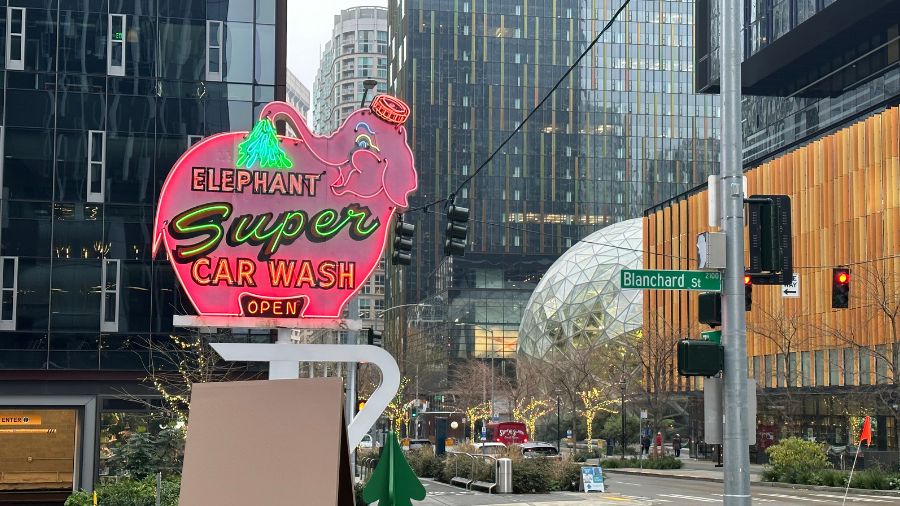
A new study from SuppCo should give Amazon customers pause before buying their supplements from the online giant. (Photo: Jason Rantz/Seattle Red)
(Photo: Jason Rantz/Seattle Red)

A new independent lab analysis may make every Amazon shopper think twice before buying another supplement from the world’s largest online marketplace.
SuppCo, a consumer health testing platform, purchased 44 of Amazon’s most popular supplements and sent them through ISO-accredited labs. The results were nothing short of alarming. According to the report, “22 out of 44 supplements (50%) failed to meet their label claims,” and even more stunning, “20 of the 22 failures had 0–3% of the main ingredient amount claimed.”
That means half the supplements tested were effectively fakes, and many contained almost none of what the label promised.
RELATED STORIES


Shocking results from testing supplements sold on Amazon
For an industry already criticized for weak regulations, these findings expose a much bigger problem. Amazon’s marketplace has become a magnet for low-quality, foreign-manufactured, and deceptive supplement sellers.
SuppCo discovered that every single overseas-registered supplement they tested failed testing, including six from mainland China. They delivered none of their claimed potency. The report makes clear that the ease of selling on Amazon, combined with opaque seller identities, has created an environment where bad actors thrive and consumers unknowingly ingest worthless formulas.
The deeper SuppCo investigated, the more disturbing the pattern became.
A staggering 17 of the 22 failing Amazon supplements shared identical product images or descriptions with Alibaba wholesale listings. SuppCo writes that “identical product imagery for 17 out of the 22 Amazon-purchased supplements that failed our testing appeared in wholesale product listings on Alibaba.com.” Many of these supplements appear to be cheaply manufactured white-label products, sold in bulk overseas and repackaged on Amazon under fake or disposable brand names, according to the study.
The lack of transparency was another major red flag
SuppCo reports it attempted to locate brand websites for every product it tested but found that “all 13 supplements without a direct-to-consumer website failed testing.”
If a company doesn’t have a legitimate website, customer support, or any presence outside Amazon, their products failed every time. And this isn’t just a third-party marketplace problem. Some consumers assume products marked “Sold by Amazon” or listed through the company’s internal 1P wholesale channel receive more scrutiny. SuppCo’s data contradicts that assumption. The report notes “3 berberine products from Amazon’s 1P channel clearly failed SuppCo’s testing.”
Perhaps the most shocking category was gummy vitamins.
“The fact that 75% of the gummy vitamins we tested failed was the least surprising piece of data in our whole report,” the study said, adding that some contained “nearly zero active ingredient.” Consumers often buy gummies believing they are gentler or easier to digest, but the data suggests they may simply be expensive candy.
View this post on Instagram
Price turned out to be a clear predictor of fraud
According to the analysis, failing products were “38% cheaper than passing products.” That discount comes at a cost: manufacturing shortcuts, diluted ingredients, and in some cases, almost no active formula at all.
Amazon appears to be quietly reacting. SuppCo tracked product availability after releasing its findings and reports that “9 out of the 22 products that failed have been removed from Amazon.”
The takeaway for consumers is obvious: the Amazon supplement marketplace is deeply compromised. As SuppCo admits, “We never expected the results to be this troubling.” If Amazon continues to operate as a free-for-all for unverified foreign sellers and repackaged Alibaba products, the safest move is to buy directly from reputable brands — not from the cheapest listing on a website that clearly isn’t policing its shelves.
Listen to The Jason Rantz Show on weekday afternoons from 3 p.m. – 7 p.m. on Seattle Red on 770 AM (HD Radio 97.3 FM HD-Channel 3). Subscribe to the podcast here. Follow Jason Rantz on X, Instagram, YouTube, and Facebook.
Follow @https://twitter.com/jasonrantz

-
 Tune in to Seattle Red 770 AM weekdays at 3-7pm to The Jason Rantz Show.