
Washington lawmakers push new housing bills to ease shortage
Washington legislators consider new housing bills, weighing tax breaks and land use changes to ease shortage.

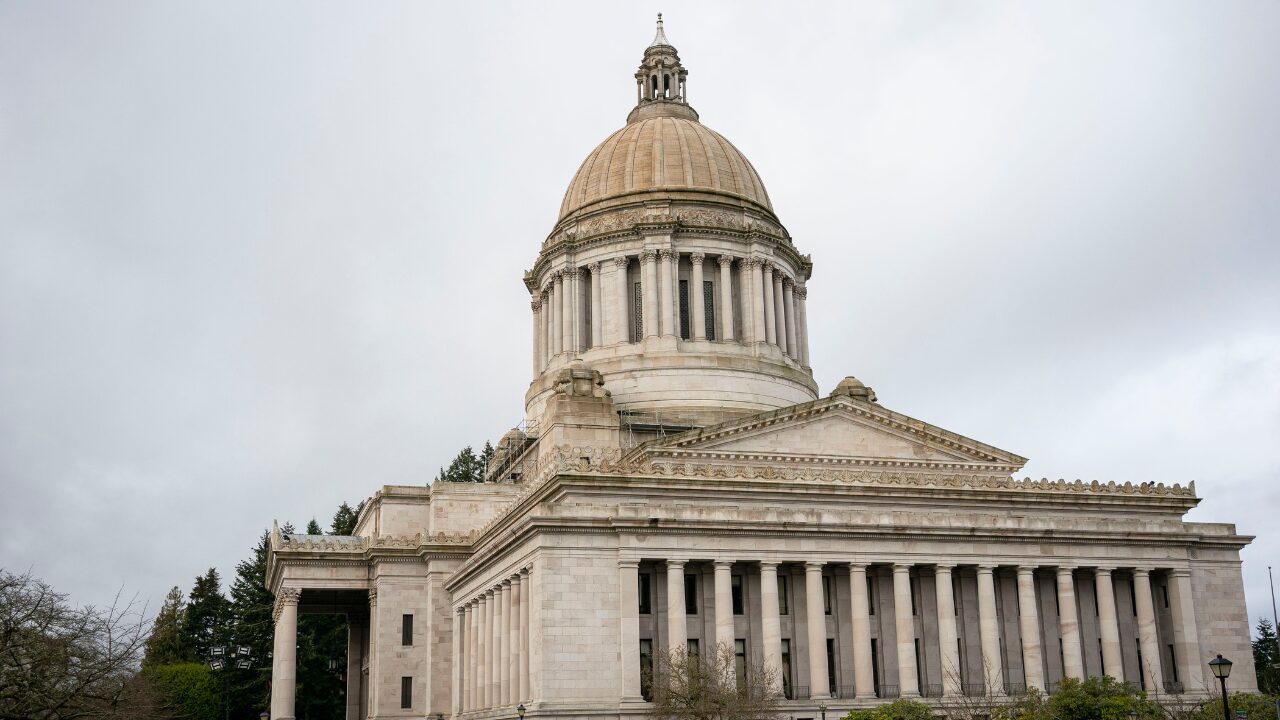
Lawmakers debate housing bills, tax breaks, expansion costs. (Photo by David Ryder/Getty Images)
(Photo by David Ryder/Getty Images)
Lawmakers in Olympia are looking for creative ways to tackle Washington’s housing shortage as the state struggles to keep pace with a growing population and rising rent costs, according to The Spokesman-Review.
This week, the Senate Housing Committee discussed two new bills designed to make it easier for developers and religious groups to build affordable apartments.
Turning parking lots into apartments
A new proposal from State Representative Marcus Riccelli (D-Spokane) aims to speed up the process of turning open parking lots into affordable housing. The bill builds on a 2022 law that offers tax breaks to companies that make this switch.
The current law applies to cities with populations up to 250,000. This bill would raise that limit to 275,000, allowing more cities to participate in the program.
Spokane was the first city to utilize this incentive, and a recent study found that converting downtown Spokane’s parking lots could create over 2,800 new homes for nearly 4,500 people.
While cities like Tacoma, Bellevue, and Vancouver qualify, others like Seattle or Bellingham are currently excluded.
Helping religious groups build homes
A second bill aims to help churches and other religious groups turn their land into housing for the community.
Under the plan, at least 20% of the new development must be set aside for low-income residents.
Additionally, organizations would be required to work with local transit agencies to ensure residents have reliable access to public transportation.
Debate over housing tax breaks
Supporters say these bills are “tools in the toolbox” to solve the housing crisis by removing official delays and providing financial incentives. However, there is some debate over which cities should be included in the expansion.
While some smaller cities are eager to join the program, lawmakers are being cautious because expanding the tax breaks could cost the state budget an estimated $12.5 million over the next two years.
Critics of the expansion worry about the impact on state revenue, while supporters argue the long-term benefit of increased housing supply outweighs the initial cost.
Follow Seattle Red on-air at 770 AM, on the Seattle Red app, and streaming audio and video on SeattleRed.com.
Related
 Seattle’s housing costs drive growth in Shoreline and Tacoma: real estate expert Matt Goyer
 Washington Republicans propose making Democrats play by initiative rules
 Idaho lawmakers push statewide service blitz for America’s 250th anniversary
 Chris Cargill: First report on Idaho ed choice tax credit shows program a monumental success
 ‘The fraud is public record’: Whistleblower slams dropped Urban League probe
 Washington agencies booked $21 million in flights through travel agents, and the tickets usually cost more, auditor finds

Comments
0 Comments