
Cantwell, Cruz drop college sports bill to kill transfer chaos and stop coach poaching
Washington Sen. Cantwell and Sen. Cruz introduced the Protect College Sports Act, a bipartisan bill to rein in the transfer portal, cap spending, and ban mid-season coaching departures.
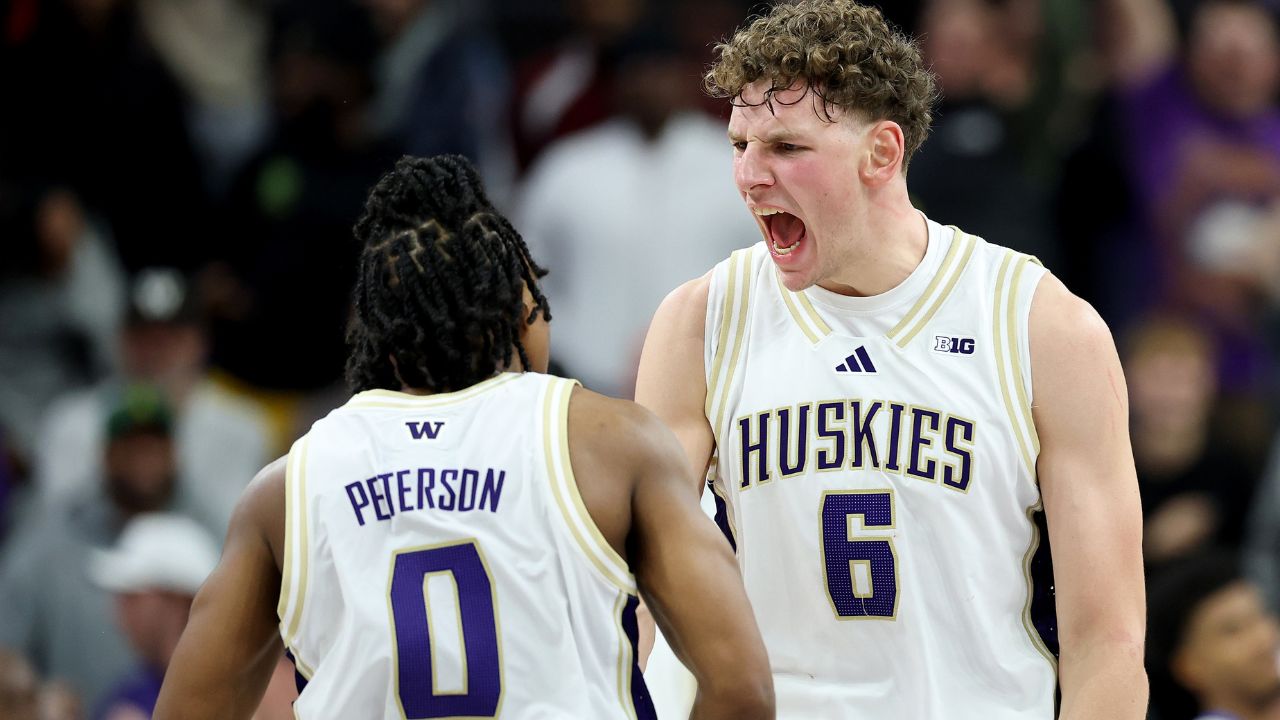
The transfer portal chaos that nearly cost Washington its starting quarterback this past January put the Huskies at the center of a national debate Congress is now trying to resolve. (Steph Chambers/Getty Images)
(Steph Chambers/Getty Images)
Washington Sen. Maria Cantwell joined Senate Commerce Committee Chairman Ted Cruz on Wednesday to introduce the Protect College Sports Act, a bipartisan bill that would grant the NCAA new legal authority to enforce transfer limits, cap spending, and ban coaches from abandoning their teams mid-season.
The bill comes as college sports fans complain the league is becoming unrecognizable. The transfer portal has turned rosters into free agent markets, third-party name-image-likeness (NIL) money flows above official spending caps through workarounds, and top programs like the UW Huskies have been forced to threaten legal action just to hold their own rosters together. When Huskies quarterback Demond Williams Jr. entered the transfer portal this past January just days after signing a reported $4 million NIL deal with the school, Washington state saw exactly the kind of chaos Congress is now scrambling to address, as MyNorthwest reported.
Cruz and Cantwell, the top Republican and Democrat on the Senate Commerce Committee, spent more than two months in negotiations before unveiling the legislation. Whether it gets 60 votes is another question entirely.
What the bill would actually do
The centerpiece of the Protect College Sports Act is a targeted antitrust exemption that would let the NCAA and its enforcement arm, the College Sports Commission, set and enforce rules without facing constant court challenges from athletes seeking extra eligibility or more money. Athletes would be limited to one free transfer over their careers; a second transfer would require sitting out a full season, with exceptions for situations such as a coaching departure or program elimination. The bill also establishes a five-year eligibility window and bars former professional athletes who received compensation beyond prize money from competing in college.
Much of the enforcement centers on the spending cap, currently set at $21.3 million per school annually. Top programs have been routing sponsor money through third-party NIL deals to sidestep the limit, pushing football rosters at power programs north of $30 million. The bill would give the College Sports Commission legal backing to reject deals it deems phony.
Cantwell told Yahoo Sports the cap would have room to grow.
“The cap can float,” she said. “In case the parties go back to the table (to raise the cap), there’s dialogue about this. We want athletes to know that there is a mechanism of getting a higher percentage of the revenue share.”
Interesting provision: If rights are pooled, the bill re-establishes regional rivalries by requiring some schools to restart paused rivalry series if they compete in a conference without three or more of their top 10 most played opponents. https://t.co/aFzYAITrTM
— Ross Dellenger (@RossDellenger) May 27, 2026
The Lane Kiffin rule and the super league question
The bill would also prohibit coaches from leaving their programs before their sport’s season concludes, a provision Capitol Hill has already branded the “Lane Kiffin Rule” after the LSU head coach’s mid-spring departure this year. Schools would likewise be barred from poaching coaches mid-season.
To block the formation of a Big Ten-SEC super league, the act bars any conference earning more than $1 billion in annual revenue from merging with or absorbing another conference.
Cruz framed the legislation as a stabilization effort, not a top-down overhaul.
“This is a stability bill, not just an NIL bill,” he said. “College sports are at a breaking point. Fans can see their favorite teams being hollowed out by transfer chaos, fake NIL bidding wars, eligibility lawsuits, and a system that allows the richest programs to keep pulling away.”
Senate hearings are expected as soon as next week, though none have been formally scheduled.
Follow Seattle Red on-air at 770 AM, on the Seattle Red app, and streaming audio and video on SeattleRed.com.
Related
 21-year Navy vet Tim Hazelo jumps into LD 10 state house race, vows to kill income tax
 Sammamish listings up 250% as Seattle's tech heartland empties out: 'slow motion wealth transfer' over income tax
 La Conner's summer concerts are dead because its noise limit is quieter than a dishwasher
 Chris Cargill: First report on Idaho ed choice tax credit shows program a monumental success
 ‘The fraud is public record’: Whistleblower slams dropped Urban League probe
 Washington agencies booked $21 million in flights through travel agents, and the tickets usually cost more, auditor finds
Comments
0 Comments