
Snohomish County homeless count climbs again in 2026
Snohomish County's 2026 point-in-time count found 1,163 homeless people, up 23 from a year ago, even as officials tout fewer of them living unsheltered.
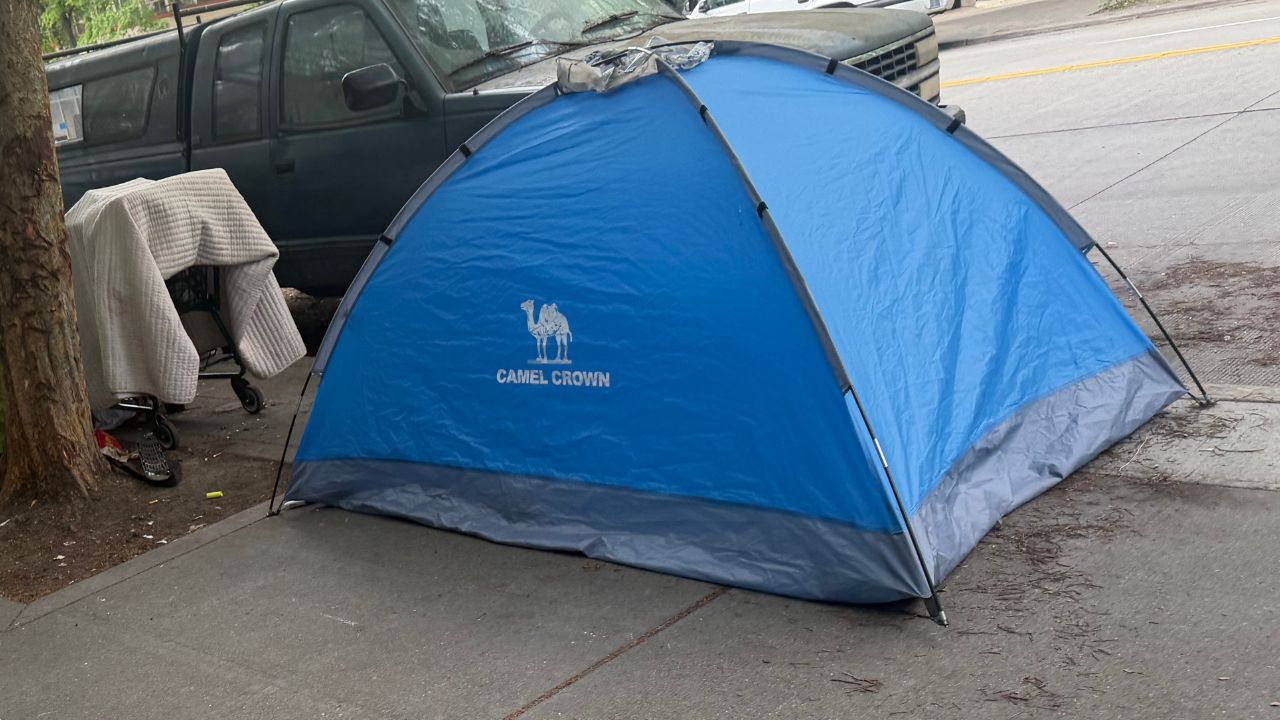
In Snohomish County, the 2026 point-in-time count found 1,163 homeless people, up 23 from the prior year. (Jason Rantz)
(Jason Rantz)
Snohomish County’s homeless population grew again this year, even as county officials sell the latest numbers as progress. The annual point-in-time count, a one-night snapshot taken January 26, tallied 1,163 people living outside, in transitional housing, or in emergency shelter. That is 23 more than the 1,140 counted in 2025, continuing a pattern that has frustrated taxpayers footing the bill for a homelessness response that keeps growing right alongside the problem it is supposed to solve.
The county is not leading with the increase. It is leading with where those people slept, a framing that has become familiar as one Washington county after another reports rising totals while neighboring jurisdictions crack down and push service-resistant homeless people toward Seattle. The raw data tells a more complicated story than the press release.
Fewer outside, more in shelters
The number of unsheltered homeless fell 5.8%, from 536 in 2025 to 505 this year, while the count of people in transitional housing or emergency shelters rose from 604 to 658. Officials credit the shift to added shelter capacity, including the opening of a new Tulalip Tribes pallet shelter. Snohomish County Human Services spokesperson Mohamed Bughrara said the expansion of temporary and permanent beds, along with the pallet site, may have contributed to the slightly higher overall total, according to the county’s release and reporting from The Everett Herald.
That framing matters because the sheltered figure largely tracks how many beds exist, not whether fewer people are slipping into homelessness in the first place. More beds means more people get counted as sheltered. The total still went up.
The numbers behind the spin
Of the 505 people counted as unsheltered, 269 slept outdoors, 218 in vehicles, 16 in abandoned buildings, and 2 in a jail or care facility after entering already homeless. The unsheltered share of the count has fallen to 43.4% in 2026 from 53.8% in 2023, a multi-year trend the county points to as proof its approach is working.
The drivers underneath those figures have not improved much.
Among adults surveyed, 482 (48.3%) reported a mental health issue, up from 46.6% a year earlier, and 415 (41.6%) reported a substance use disorder. Nearly 30% reported both. Just under half, 45.6%, were considered chronically homeless, a slight decline from 47.2% in 2025.
County Executive Dave Somers put the results optimistically.
“The Point in Time Count is important to help us better understand homelessness in our county and the impact of local programs working to reduce homelessness. While there is still a lot of work to do, it is encouraging that more people were connected to shelter, services, and support this year,” Somers said in a statement.
A regional problem Seattle keeps absorbing
The Snohomish figures do not exist in a vacuum.
As Everett, Bellevue, and other nearby cities enforce camping and drug laws, outreach workers say Seattle has become the regional dumping ground for the service-resistant population, a dynamic Seattle Red has tracked at sites like the growing encampment near the Space Needle. Snohomish County had reported a small overall decline the previous year before this year’s uptick, according to earlier coverage of the 2025 count.
The 2026 count was supported by 275 volunteers along with first responders, outreach workers, and embedded social workers. County leaders say the data helps them target funding and services. What it also shows is a county spending more, sheltering more, and still counting more homeless people than it did a year ago. The beds are filling up. The line is still moving in the wrong direction.
Follow Seattle Red on-air at 770 AM, on the Seattle Red app, and streaming audio and video on SeattleRed.com.
Related
 Wild Waves to be bulldozed for a million-square-foot warehouse with no tenant
 Rantz Exclusive: Two openly gay Seattle cops sue the city, say SPD blocked their promotions
 Seattle's office collapse hits a trophy tower, and the price tag is brutal
 Seattle homeowners turn to barbed wire to protect from dangerous homeless encampments
 From Port Orchard to Walla Walla, 17 groups split $45 million for homeless veterans
 Socialist mayors to lead LA, D.C., NYC, Seattle as Trump warns of ‘disaster’
Comments
1 Comments
As long as politicians insist on enabling drug addiction and mental illness with "other people's money," the "homeless" rolls will continue to grow. Plan on it.