
UW aging researcher casts doubt on the NAD longevity supplement boom
A Nature Metabolism study found NAD does not decline with age. UW researcher Matt Kaeberlein explains why the longevity supplement hype outran the science.
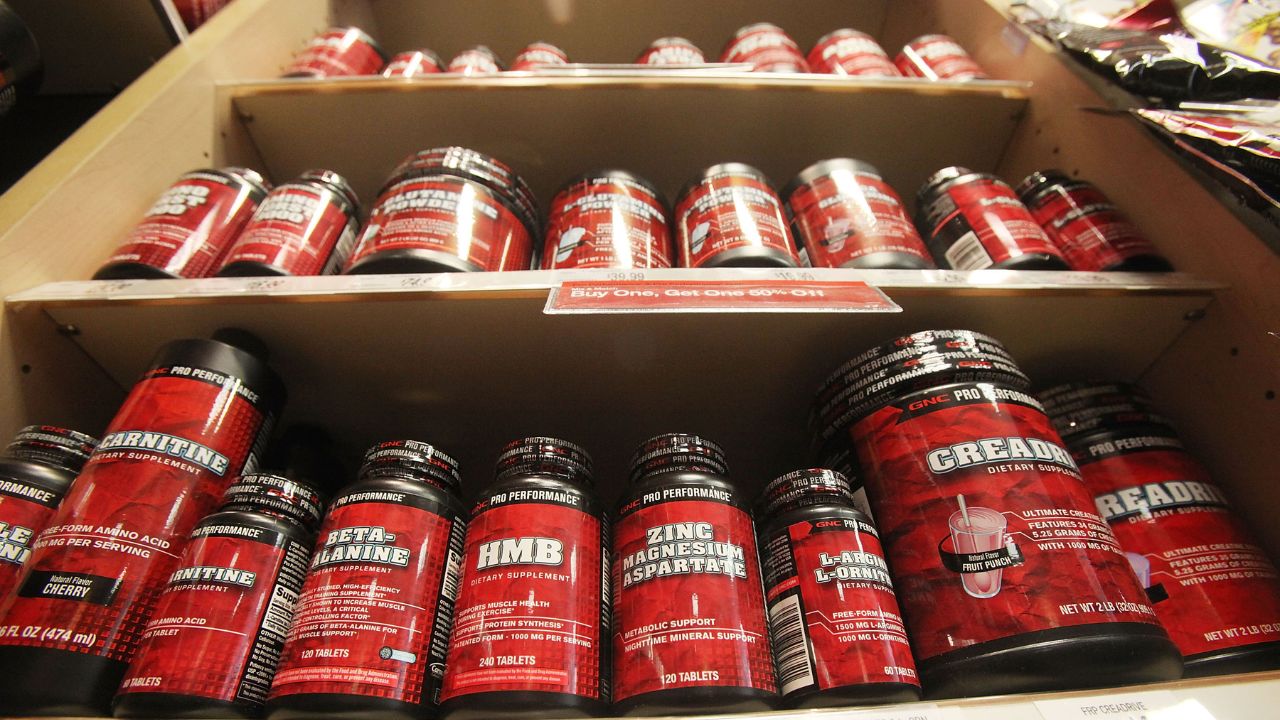
NAD+ supplements have been sold for years as an anti-aging tool, but a new study challenges one of the central claims behind the marketing. (Photo by Mario Tama/Getty Images)
(Photo by Mario Tama/Getty Images)
A new study questioning one of the most popular supplements in the longevity movement is fueling fresh debate over whether consumers are buying into science or marketing.
For years, celebrities, influencers, and longevity enthusiasts have promoted NAD+ supplements as a key tool to slow aging, boost energy, and improve health. The theory was simple. Levels of nicotinamide adenine dinucleotide (NAD+) decline with age, and restoring those levels could help combat the aging process.
Then a study published in Nature Metabolism found something unexpected. Researchers examining blood samples from more than 300 people found no evidence that NAD+ levels decline with age, challenging a central claim that has helped drive a booming supplement industry.
The findings prompted a headline in The New York Times declaring that new research had upended the argument for a popular longevity supplement. But according to University of Washington aging researcher Matt Kaeberlein, the reality is more complicated.
What NAD actually does
Kaeberlein, an affiliate professor at the University of Washington, said NAD remains one of the most important molecules in human biology.
“I think the best way to think about NAD is as a buffer for cellular energy,” Kaeberlein said during an appearance on The Jason Rantz Show on Seattle Red 770 AM. “NAD is involved in 1000s of chemical reactions in our cells, many of which are associated with the ability of our bodies to make a molecule called ATP, which is the energy currency of the cell.”
That role is not in dispute. The controversy centers on whether supplementing NAD actually delivers the anti-aging benefits promised by many influencers and supplement companies.
Kaeberlein argues that one of the biggest problems in the longevity space is that a scientific hypothesis became accepted as fact long before the evidence justified it.
“The dogma has become this idea that NAD levels decline with age, and therefore if we replace NAD, that will be beneficial for aging and a bunch of different age-related diseases,” Kaeberlein said. “The problem is that that dogma hasn’t really been well supported by evidence in the scientific literature.”
Blood versus tissue debate
Many NAD supporters have responded by arguing that the new study only looked at blood levels rather than tissue levels in organs such as the brain or muscles. The New York Times article highlighted that point, noting that some studies have suggested NAD may decline in certain tissues even if blood levels remain stable.
Kaeberlein acknowledged that scientists still do not have definitive answers.
“What that doesn’t mean is that NAD is not important during aging,” he said. “It might be important in certain tissues. It might be the case that even if NAD levels don’t decline, if we were able to add more NAD, that would be beneficial. We just don’t know at this point.”
At the same time, he suggested some advocates are shifting their arguments because the data has not supported earlier claims.
“My perception is those people who are trying to sell you on NAD have changed their tune because the data didn’t match what they wanted to be true,” Kaeberlein said.
Is NAD just hype?
That does not mean NAD supplements are worthless. Kaeberlein said there is a plausible biological reason why some people report better energy or recovery after taking NAD supplements or receiving NAD infusions.
“It certainly could be the case that NAD becomes limiting for energy production in certain people who have mitochondrial dysfunction, for example, and that the NAD supplements would have a beneficial effect,” he said.
The problem is that researchers still lack large, high-quality clinical trials proving those benefits exist for most people.
“What we’re lacking, of course, is the solid data to say that that hypothesis is actually correct,” Kaeberlein explained.
The tricky middle
For now, Kaeberlein finds himself in an unusual position. He is neither fully embracing nor fully dismissing NAD.
“Where I land on NAD is there’s a lot of smoke, meaning there are lots and lots of studies that are suggestive,” he said. “I’m on the fence. I want to believe. I’m just really waiting for some definitive data to tip me one way or the other.”
That may be the biggest takeaway from the latest controversy. The study did not prove NAD supplements do not work. It simply challenged one of the most commonly repeated claims used to sell them.
Listen to The Jason Rantz Show on weekday afternoons from 3 p.m. – 7 p.m. on Seattle Red on 770 AM (HD Radio 97.3 FM HD-Channel 3). Subscribe to the podcast here. Follow Jason Rantz on X, Instagram, YouTube, and Facebook.
Related
 Inside the Dave Asprey Beyond Biohacking Conference, where MAHA meets the future of your health
 Dave Asprey: Biden's FDA banned cheap peptides while protecting Ozempic, MAHA will change that
 Would Americans be healthier without an FDA? Dave Asprey's answer may surprise youWaking up before sunrise in Seattle? Biohacker Dave Asprey says you still need this one thing
 Washington’s accounting mistake could cost hundreds of millions in taxpayer dollars
 Mark Cuban calls out Pramila Jayapal’s Medicare for All pitch over Washington’s 22% premium hike
Comments
0 Comments