
Idaho’s workplace complaints have spiked. Are politics to blame?
Are political disagreements behind more workplace complaints? New data is raising questions.

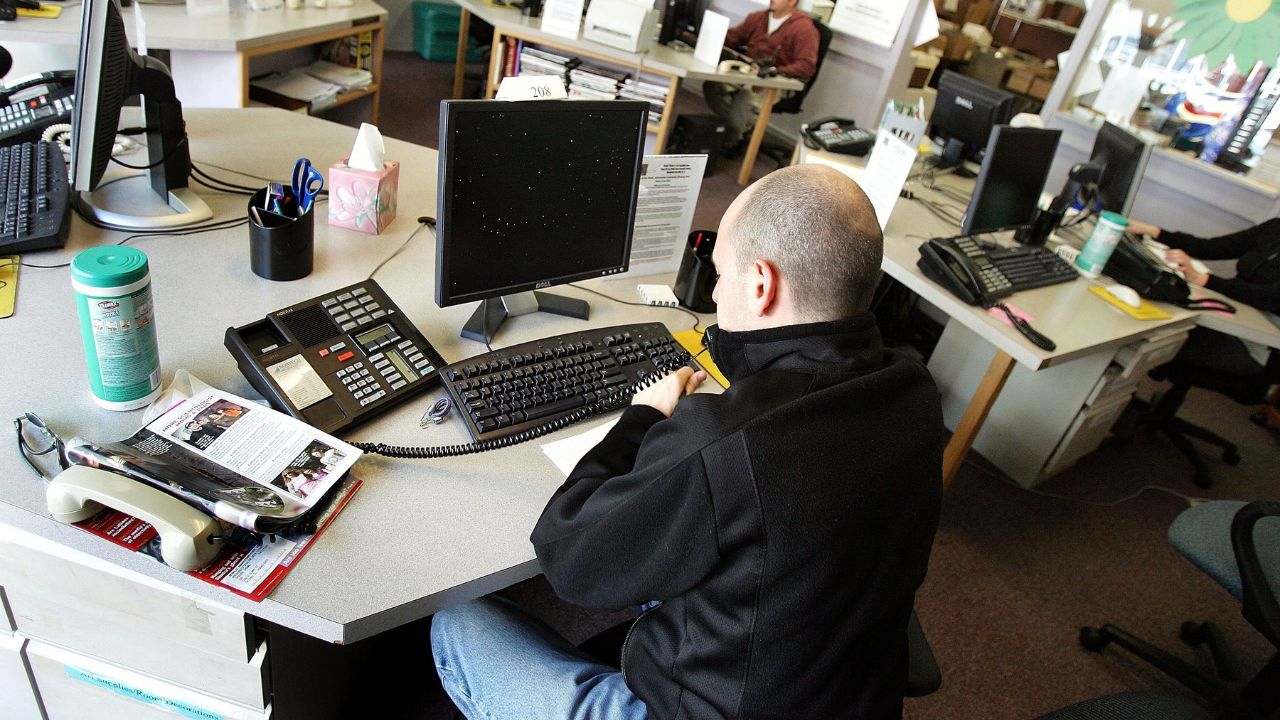
Seattle faces record office vacancies and high taxes while businesses seek refuge in safer Bellevue. (Photo by Tim Boyle/Getty Images)
(Photo by Tim Boyle/Getty Images)
The Idaho Human Rights Commission’s annual report found that workplace discrimination claims have more than doubled over the last three years.
One attorney says it is a result of polarization, population growth, and changing federal enforcement policies.
“A lot of it has to do with the world we’re living in,” Pam Howland told the Idaho Statesmen. Howland is an attorney and the founder of Idaho Employment Lawyers. “Around the country, as you see more and more people not getting along, feeling like they don’t trust their co-workers because maybe they’re vocal about politics or their views on what’s happening in the world, I think we will see more and more employment law claims. The two go hand in hand.”
Are political differences to blame?
The number of claims has steadily increased from 312 in 2022, 386 in 2023, 498 in 2024, to 685 in fiscal year 2025.
“If you have a workplace where people aren’t getting along or where people think they’re not treated fairly, you’re going to see an uptick in claims,” said Howland.
According to a recent Pew Research survey of 25 countries, Americans are the most likely to view their fellow citizens as morally bad.
Population growth
A more prosaic explanation, though, could simply be that there are significantly more people in Idaho now. According to data from the U.S. Census Bureau, the Gem State experienced the second-highest growth rate in the country in 2025 at 1.4%.
Many new Idahoans come from states like Washington and California and might be used to different employee protections.
“When you bring those people into our workplaces, you can expect that some of them are going to hold employers to a higher standard, and that’s going to result in more claims,” said Howland.
‘This is a shift’
She says President Trump signing several executive orders last year encouraging the U.S. Equal Employment Opportunity Commission (EEOC) to be on the lookout for “reverse discrimination” could also play a role.
“That is a shift,” said Howland, referring to white men who have the temerity to come forward if they feel they are being discriminated against. “That is not who the EEOC has traditionally really welcomed to bring claims.”
(Update: An earlier version incorrectly characterized Howland’s opposition. Her observation that the Equal Employment Opportunity Commission has encouraged majority groups to file discrimination claims was a legal observation.)
Listen to The Jason Rantz Show on weekday afternoons from 3 p.m. – 7 p.m. on Seattle Red on 770 AM (HD Radio 97.3 FM HD-Channel 3). Subscribe to the podcast here. Follow Jason Rantz on X, Instagram, YouTube, and Facebook.
Related
 Idaho's rat problem is exploding and the state is scrambling to stop it
 Idaho bill would stop schools from hiding kids' gender shifts
 Idaho lawmakers move to fix unintended problem with parental consent law
 Seattle high school allegedly warns students not to skip class as Grand Theft Auto VI finally hits consoles
 Pramila Jayapal earns bipartisan condemnation for ‘racist’ attack on Hakeem Jefferies
 Rep. Matt Marshall says the firm hired to save Washington’s girls’ sports law has been on the wrong side every time

Comments
0 Comments