
WA school aviation program soars on grants, not local tax levies
Students gain real-world aviation skills funded by grants, not taxes

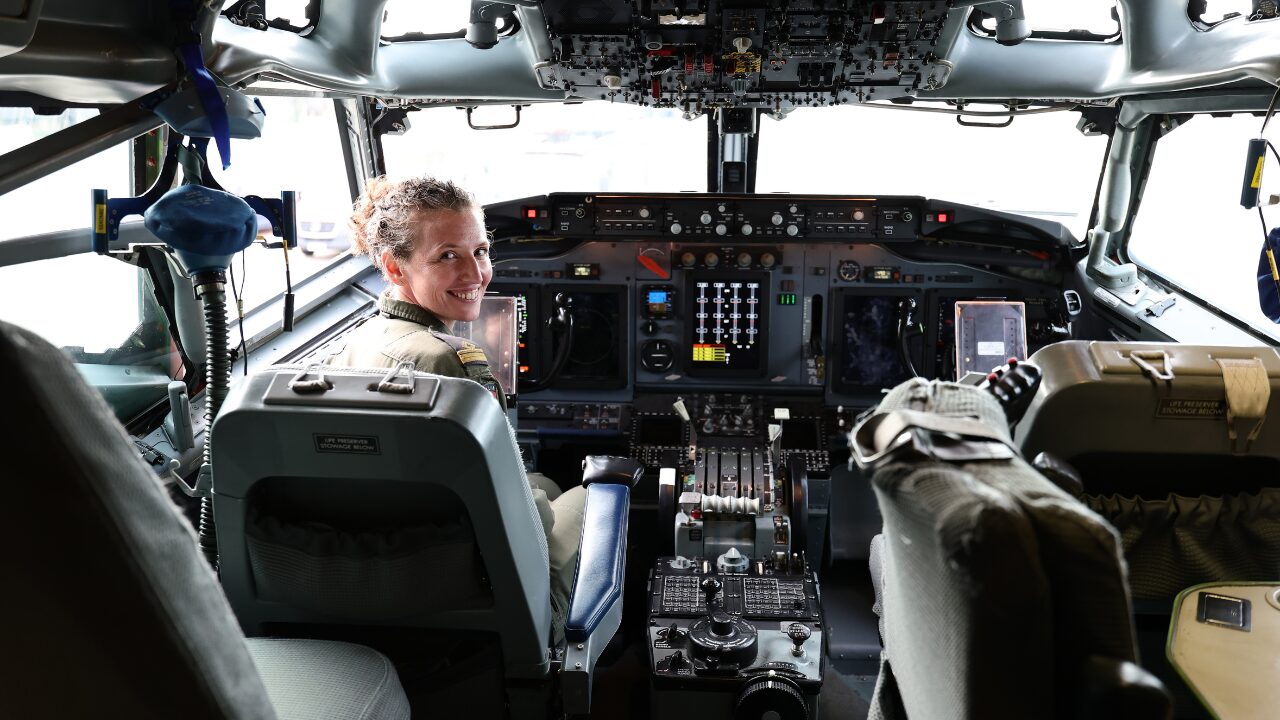
WA school bypasses levies to fund successful aviation academy. (Photo by Andreas Rentz/Getty Images)
(Photo by Andreas Rentz/Getty Images)
The Peninsula School District is proving that career-focused education can be both practical and financially responsible. Its new Aviation Academy, launched this fall, is already drawing attention as a model for how high schools can deliver real-world job skills without leaning on local taxpayers for more money.
While many teens are just learning to drive, 17-year-old Abigail Oake and her classmates are getting hands-on experience that puts them on a direct path toward aviation careers, according to the Tacoma News Tribune. The academy offers a structured track into a high-demand industry, aligning student training with real workforce needs—a shift many critics say Washington’s public schools have failed to prioritize.
In a system often criticized for administrative spending, the Aviation Academy offers a model of fiscal responsibility. The program was established using grants and dedicated state Career and Technical Education (CTE) funding, completely separate from local levy dollars.
As CTE Director Kelsey Parke confirmed, the program is efficiently managed with nearly $500,000 in grants and a legislative proviso that provided $179,000 for start-up costs. This demonstrates that specialized, high-quality instruction can be delivered when bureaucracy is bypassed and funding is targeted directly toward results.
Practical skills over progressivism
The program’s success is rooted in its focus on discipline, mentorship, and practical application, guided by an experienced teacher, retired U.S. Navy commander and aviator JP Williamson.
Students are not wasting time on trendy, non-academic coursework. Instead, they are gaining credentials like the Part 107 drone license and preparing to pass the FAA written exam—real, marketable skills that translate directly into high-paying, in-demand jobs.
Student Colin Donalty perfectly captured the excitement of career-focused learning.
“It’s almost like how most kids, they’ll see a spaceship, and they’ll think it’s awesome,” Donalty told The News Tribune. “It’s super fascinating. They want to go to space. For me, aviation is the same thing. I still feel that excitement… and you can’t get a better office than the cockpit, too. You can’t beat the views up there.”
This direct line from education to employment is critical, particularly as experts note the industry’s need for new professionals to fill a coming wave of retirements. By delivering 30 college credits and practical training, the Aviation Academy provides a valuable head start, allowing young people to bypass the expensive, time-consuming default path of a traditional four-year college degree.
The Academy is a refreshing reminder that public education’s greatest duty is to equip individuals with the competence to succeed in the real-world economy, not to advance social agendas.
Follow Seattle Red on-air at 770 AM, on the Seattle Red app, and streaming audio and video on SeattleRed.com.
Related
 Sedro-Woolley School Board cracks down on disruptive behavior with new civility policy
 Liberty Counsel launches legal fight for parents, says Seattle Public Schools defying Supreme Court
 Seattle schools were told to close empty buildings nearly 40 years ago, then shelved the audit when neighbors complained
 Rep. Matt Marshall says the firm hired to save Washington’s girls’ sports law has been on the wrong side every time
 Girls ask a King County judge to let them defend I-638 after Nick Brown hands it to an outside firm
 Rantz: The Education Lab takes Gates and Ballmer money, then prints activist talking points on trans athletes as fact

Comments
0 Comments